NELS

NELS

Valentine’s Day: History meaning and Modern Love

💡 Did You Know Valentine’s Day Wasn’t Always About Love? 💡 Did you know Valentine’s Day started as a chaotic Roman festival involving matchmaking lotteries, animal sacrifices 🐐, and absolutely zero chocolate boxes 🍫? Romantic?Not exactly. Yet somehow, over centuries, it transformed into the pink 🎀, red ❤️, heart-shaped holiday we know today. Whether you love it, hate it, or pretend it doesn’t exist until February 13th at 11:59 p.m. ⏰, Valentine’s Day says a lot about how we connect, travel ✈️, and show affection in the modern world. Let’s talk about how it started, how it evolved, and why it quietly marks the beginning of one of the most emotional travel seasons of the year ✨🌍. 📝 The Big Picture (Quick Read Summary) Valentine’s Day isn’t just a holiday.It’s a cultural shift 💭. It marks the moment when people start planning romantic getaways 💕✈️, booking surprise trips 🎁, reflecting on love (or lack of it 😌), and spending money emotionally instead of logically 💳. From ancient rituals 🏛️ to modern travel trends, Valentine’s Day signals the start of a season driven by connection, nostalgia, and intention ✨. 🏛️ Where Valentine’s Day Actually Comes From Long before Parisian cafés ☕ and candlelit dinners 🕯️, Valentine’s Day traces back to Lupercalia, an ancient Roman festival held in mid-February. It involved: Romance wasn’t the goal.Survival was. Over time, the Catholic Church stepped in ⛪ and replaced the festival with a day honoring St. Valentine, known for secretly marrying couples against the law 💍. Love became rebellious.Love became symbolic.Love became… marketable 💼. ✍️ The Middle Ages: When Love Got Poetic Fast-forward a few centuries ⏳, and Valentine’s Day softened. Poets ✒️ romanticized the day. Handwritten notes 💌 appeared. Love became something to express, not enforce. Think: Honestly? A glow-up ✨. 💳 Modern Valentine’s Day: Love Meets Logistics Today, Valentine’s Day is emotional… and strategic 😏. It’s when: It’s not just flowers 🌹 anymore.It’s experiences. A weekend getaway 🧳.A surprise city 🌆.A moment that says, “I thought about this.” And if you’ve ever opened Expedia “just to look” 👀… you already know how that ends. ✈️ Valentine’s Day = The Start of Travel Season Here’s the tea ☕. Valentine’s Day marks the emotional beginning of the travel year. Winter fatigue 🥶 sets in.People feel restless 😩.Everyone wants something to look forward to ✨. Romantic trips 💕, solo escapes 🧘🏽‍♀️, friend getaways 👯 — February plants the seed 🌱. March and April make it happen. Low-effort trips fade.Meaningful trips rise 📈. 🧠 Love, Travel, and Memory Emotion + experience = memory 🔒. Trips tied to love 💗, heartbreak 💔, healing 🌿, or self-reflection stick longer than random weekends away. That’s why writing things down matters 📝. Not in a dramatic way.In a future-you will thank you way 😌. Memory is selective. And sometimes disrespectful. 💗 Valentine’s Day Isn’t Just for Couples Let’s normalize this 👏. Valentine’s Day isn’t owned by couples.It never was. It’s for: Self-love still counts 💖.And sometimes comes with better room service 😏. 🎁 From Stuff to Meaning People are shifting. Less stuff 🛍️.More moments ✨. Experiences over clutter.Memories over novelty. Low effort doesn’t hit anymore 🚫.Intentional living does. 😌 Joke of The Day Valentine’s Day really said:“Let’s make everyone emotional and broke at the same time.” 💸💔 Efficient.Very efficient. 💭 Final Thoughts Valentine’s Day didn’t start as a love story.It became one 💌. And now, it quietly signals a season of movement ✈️, meaning ✨, and intention 💭. Whether you travel, journal, reflect, or just observe, this moment asks us to choose connection over routine. Low effort fades.Intentional living shows up. 💬 Let’s Talk If this made you think, smile, or rethink February just a little: ❤️ Like this post💬 Comment — how do you usually spend Valentine’s Day?📤 Share with someone who needs this📩 Subscribe to NELS to learn something new every day Stay curious ✨Stay intentional 💭And as always — low effort, high impact 💌✈️ This article is part of NELS’ exploration of how traditions quietly shape us. Discover more reflections like this in our NELS culture series.
NELS

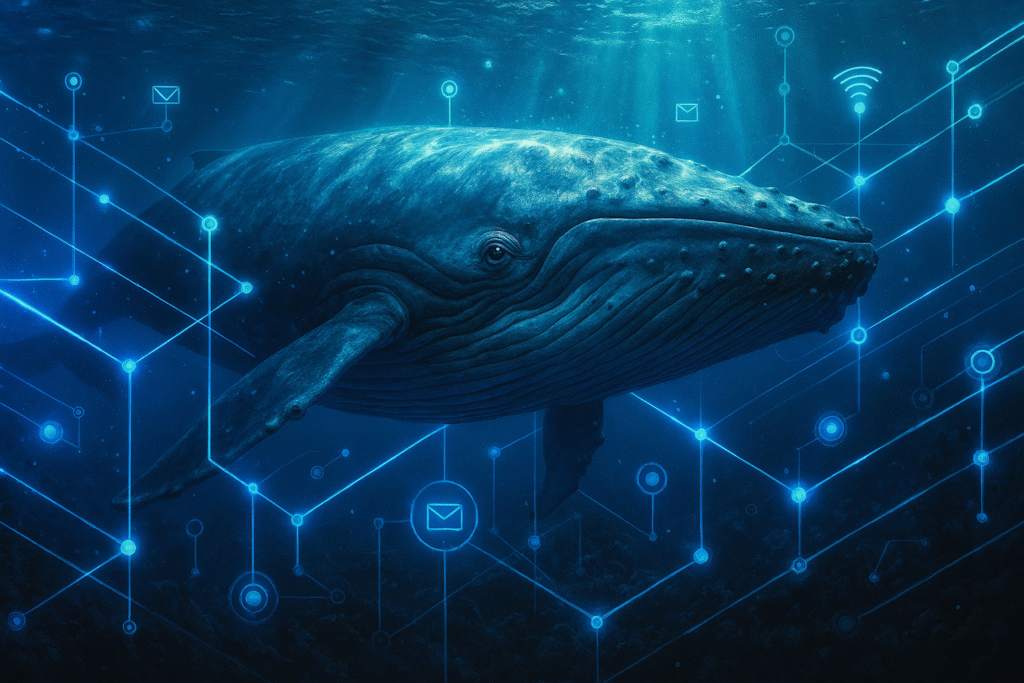
The Ocean Has Its Own fascinating Internet

I bet you did know that before humans built satellites and smartphones, the ocean was already online. Beneath the waves, billions of creatures exchange messages every second. Not through Wi-Fi or fiber optics, but through sound, light, and chemistry. This is the story of the Ocean Internet, where communication is older, deeper, and far more poetic than ours. Did you know that the ocean was online before humans ever dreamed of a modem? 🌐🐚 Long before “connection” meant followers and notifications, it meant something simpler: survival. Beneath the surface, fish, whales, coral, and plankton have been sharing signals for millions of years. They trade information about food, danger, migration, and even love. And they do it with a network that never crashes—the living Internet of the sea. 🐋 The First Users: Whales, the Original Broadband Voices Let’s start with the loudest influencers of the deep — whales. Blue whales can send low-frequency calls that travel over 500 miles through water. That’s basically a long-distance phone plan without the bill. 📞💙 Each whale species has its own “dialect.” Humpbacks sing complex songs that can last up to 30 minutes and evolve over time — kind of like a viral remix. Scientists have even observed new “chorus trends” spreading across ocean regions, the way new sounds go viral on TikTok. When a humpback sings in the Pacific, another might pick up the melody weeks later near New Zealand. The ocean literally has trending audio. 🎶🌊 🐬 The Chatty Extroverts: Dolphins and Their Click Language If whales are the opera singers, dolphins are the voice note addicts. 🗣️🐬They use echolocation — clicking sounds that bounce off objects — to “see” their environment through sound. But here’s the wild part: dolphins also have names. Each dolphin develops a unique signature whistle, like a username or a handle. When they call to each other, they mimic these signature sounds to identify friends, family, or pod members — basically saying, “Hey @FinnTheFlipper, you good?” It’s one of the most advanced communication systems in the animal kingdom, rivaling human language in structure and creativity. And unlike most group chats, dolphins actually listen. 👂💦 🪸 The Silent Network: Coral Reefs That Signal in Color If whales and dolphins are the voice users, coral reefs are the visual network — the Instagram of the sea. 🪸📸Corals release chemical signals to communicate stress, attract fish, or defend territory. Some even change color when under threat, like mood rings reacting to pollution or temperature shifts. Scientists call coral reefs the “cities of the ocean” — full of traffic, trade, and tiny conversations between species. Shrimp clean fish in exchange for food scraps; clownfish protect sea anemones in exchange for shelter. It’s all networking — literally. The coral’s chemical signals also warn nearby reefs about bleaching events, kind of like sending a “code red” alert through the marine web. When one coral gets sick, others know it’s time to prepare. The ocean doesn’t need email — it’s been running on instinctive alerts for millions of years. 🌌 The Invisible Data Highway: Sound and Vibration Here’s something mind-blowing: sound travels five times faster in water than in air. That makes the ocean the most efficient means of communication on Earth.From the deep-sea fish that flash bioluminescent patterns like Morse code to the shrimp that create massive “snap” sounds to stun prey — every layer of the ocean has its own protocol. It’s like multiple apps running at once: Each one is tuned to its bandwidth — a perfect, natural hierarchy of communication that never overlaps or needs a restart. Meanwhile, we humans panic when the Wi-Fi lags for 10 seconds. 😭📶 ⚗️ Chemistry: The Ocean’s Secret Messaging App Beyond sound and sight, there’s another invisible layer — chemical communication. Many marine species release pheromones or hormone-like compounds into the water to attract mates or warn of predators. These molecules diffuse through the currents, like a biological notification system. Think of it as underwater Bluetooth — invisible but instant. Even plankton, the microscopic drifters that make up the base of the food chain, send chemical messages to signal danger or call for allies. When predators appear, some plankton release “distress signals” that attract even bigger predators to eat the threat. That’s strategy — not survival instinct. 🧬 The Ocean Internet vs. Ours Humans built fiber-optic cables under the sea to connect continents. But nature did it first. The biological Internet of the ocean runs on sound, light, and chemistry — and it’s self-sustaining, self-repairing, and pollution-resistant (well, until we showed up). Our version burns energy and emits carbon. The ocean’s version creates life.We depend on devices; the ocean depends on rhythm. And maybe that’s the biggest difference: on the Internet, we talk endlessly but often fail to listen. In the ocean’s Internet, everything listens first. 🌊🫧 🌏 Lessons from the Deep The ocean’s communication system teaches us something vital about balance and coexistence. Every species contributes to the network, no one dominates it, and everything — from the tiniest coral to the largest whale — matters. If one part of the chain falls silent (for example, coral bleaching or noise pollution), the entire system begins to collapse. When ships and oil rigs fill the sea with mechanical noise, whales lose their ability to communicate. It’s like static in the group chat — dangerous silence replacing meaningful sound. By studying these natural communication webs, scientists are even designing bio-inspired networks that could make the human Internet faster, greener, and more efficient. We’re learning from fish now — and honestly, it’s about time. 🐟💻 🪄 Final Wave So yes, the ocean has its own Internet — ancient, alive, and beautifully complex.It’s a reminder that connection doesn’t require wires or Wi-Fi, only awareness. Every splash is a signal. Every ripple carries meaning. The sea has always been online — we just logged in late. 🌊✨ Did you know there’s more you didn’t know? I bet you didn’t know. 😏

NELS

The Ultimate Lost Art of the Morse Code

Did you know that before there were screens, there was sound — and before there were texts, there were taps? 📞In the early 1830s, long before anyone double-tapped a post, an artist named Samuel Morse turned grief into genius. After losing his wife and missing the news of her death because messages traveled painfully slow, he set out to fix the problem. The result? A brand-new language built from nothing but dots, dashes, and determination. ⚙️ The Birth of Beeps Imagine inventing an alphabet that anyone could send without speaking. That was Morse Code: every letter became a short or long pulse — a “dot” or a “dash.” The code moved through telegraph wires like whispers made of lightning. You could literally send a message across oceans faster than a horse could blink. By the mid-1800s, telegraph offices buzzed with energy. “… — …” (SOS) became a lifeline at sea. The world suddenly felt smaller — and, honestly, a bit louder. Morse Code didn’t just connect people; it changed time itself. Messages that once took days now took seconds. 💌 When Love Spoke in Dots and Dashes You might think Morse was just for war and weather reports, but it also carried secrets of the heart. In the late 1800s, lovers sent coded messages through telegraph lines, hiding emotions behind beeps.There were stories of telegraph operators falling in love through code alone — their fingers learning each other’s rhythm before their eyes ever met. Think of it as the original online dating, minus the catfishing. 💅 ⚔️ A Language of Survival During both World Wars, Morse became the backbone of global communication. Soldiers used it to send urgent intel. POWs used it to whisper hope through the walls — one tap for “A,” two for “B,” and so on. It was a lifeline disguised as noise. One famous case is that of Jeremiah Denton, an American pilot held captive during the Vietnam War. During a forced interview, he blinked “TORTURE” in Morse Code to secretly tell the U.S. what was happening. That’s right — he blinked his message. 🫡A language made of beeps and blinks saved lives. 🌊 The Code That Refused to Die Even after telegraphs faded and phones took over, Morse didn’t disappear. Pilots still use it in aviation beacons. Ships still rely on it in emergencies. Some modern apps even let you text in Morse just for fun — because apparently, we can’t resist a good retro comeback. Think about it: every time your phone pings or your smartwatch vibrates in rhythm, you’re experiencing the ghost of Morse. Technology didn’t erase it — it just rebranded it. 💫 🧩 Morse in Pop Culture From Hollywood thrillers to indie video games, Morse pops up whenever silence needs a voice. In Interstellar, messages cross dimensions through blinking lights. In Stranger Things, kids use flashing bulbs to talk across worlds. And on TikTok, some creators remix the pattern into beats. It’s proof that the language of rhythm never really left us. Even K-pop fans have used Morse patterns in fandom edits (because why not?), turning “SOS” into “Stan Our Stars.” 😎 🔦 The Science of Simplicity Here’s what makes Morse brilliant: it’s based on timing, not technology. A short beep lasts one unit; a long beep lasts three. Spaces between letters? One unit. Between words? Seven. You could tap it, blink it, flash it, or hum it.It’s the universal rule of human connection — if you can feel a rhythm, you can share a message. That’s why scientists still use Morse-like signals in deep-space communication. It’s simple, adaptable, and indestructible — the ultimate backup plan for talking across galaxies. 🪐 💬 The Legacy in Our Hands We may not think in dots and dashes anymore, but we still speak in short bursts — text messages, tweets, emojis. Our phones have just become modern telegraphs, buzzing instead of beeping. We shorten everything, create slang, and invent new codes for every app. That’s Morse’s spirit living on — minimalist, clever, and deeply human. Next time your phone buzzes twice and you instantly know what it means — that’s communication without words. That’s Morse reincarnated. 🌍 A Final Dot, A Final Dash So yeah — Morse Code isn’t dead. It just traded wires for Wi-Fi, sparks for screens.It’s a reminder that connection doesn’t need luxury — it needs rhythm, patience, and intention. Every dot is a heartbeat. Every dash is a breath. Together, they form the oldest kind of message — “I’m here. Are you listening?” 🔎 Did you know there’s more you didn’t know? Find out in the next Did You Know?

Culturally, NELS

Space Has a Strange Smell! Not What You Think

I bet you didn’t know Outer space looks silent and majestic — a black sea sprinkled with stars, infinite and untouchable. But here’s the twist: astronauts say it also has a smell. A very strong, very unexpected one. The scent of space lingers on their suits after a spacewalk, and it’s nothing like what you’d imagine. Here’s the strange, scientific, and slightly smoky story behind how space actually smells. Did you know that space — the vast, endless vacuum beyond our sky — smells? 🧠🚀You’d think the universe would be odorless, right? No air, no oxygen, no way for scents to travel. And you’d be mostly right — space itself doesn’t carry smells because it’s a vacuum. But when astronauts return from spacewalks, their suits, gloves, and helmets come back with an odor that’s… well, unexpected. They say it smells like seared steak, burnt metal, and welding fumes.Yep, the final frontier smells like a barbecue after a thunderstorm. 🌩️🥩 🧪 The Science of Cosmic Scent So what exactly are astronauts smelling if space is technically scentless?Here’s the twist: it’s not the smell in space, but the smell after space. When astronauts open the airlocks, the molecules from space interact with oxygen inside the spacecraft. That reaction produces new compounds — tiny traces of ozone, burned carbon, and polycyclic aromatic hydrocarbons (PAHs). PAHs are the same chemicals that give campfires, grilled meat, and even car exhaust their signature scent. So yes — the universe has the same vibe as a Fourth of July cookout. 🔥😅 The smell of space, in other words, is the aroma of cosmic chemistry — the afterglow of atoms colliding, breaking apart, and reforming in the most extreme environments imaginable. 🌠 What Astronauts Actually Say NASA astronauts have described the smell in some colorful ways: “It’s like gunpowder… metallic… kind of like ozone or burnt almond cookies.” — Don Pettit “It smells like welding fumes. Like someone just finished burning metal.” — Thomas Jones “A hint of seared steak, hot metal, and fireworks.” — multiple ISS crew members Imagine floating in infinite silence for six hours, then stepping back inside your spacecraft and catching a whiff of “space barbecue.” It’s both comforting and uncanny — proof that even the most alien environments still feel oddly familiar. 🌋 The Universe Is Basically One Big Chemistry Set The smell of space comes from the same forces that build stars and destroy them. When cosmic objects collide — like supernovas or asteroid impacts — they release vast energy bursts that create new compounds. These drifting molecules cling to spacecraft, suits, and even microscopic dust. In essence, astronauts are walking through the ashes of stars. 🌟 Those star ashes contain carbon, iron, sulfur, and nitrogen — the same elements that make up everything from your blood to your breakfast. When exposed to oxygen, they burn faintly, giving off that metallic, smoky scent. You’re literally smelling the universe’s burn history. 🔥🪐 💫 Why Humans Love (and Fear) That Smell Here’s where it gets poetic — and a little existential.That burnt, metallic scent feels familiar because it’s tied to survival. On Earth, those same odors often mean energy, warmth, or transformation: fire, fuel, protection. It’s primal. Our brains are wired to recognize the chemistry of combustion as both power and danger. So when astronauts describe the smell of space, they’re also describing something deeply human — the scent of change itself. It’s the smell of things being born and destroyed at the same time. 🧑‍🚀 NASA’s “Eau de Space” Experiment NASA once worked with chemist Steve Pearce to recreate the smell of space for astronaut training. The idea? To help new spacewalkers get used to it before their first mission. Pearce’s formula included hints of ozone, gunpowder, metal, and burnt almond — not exactly Chanel No. 5. 😂 But it became a hit on Earth when samples were leaked online. People were fascinated by the idea of bottling the cosmos. Fun fact: a few perfumers even tried to remix the idea into luxury fragrances, branding them as “the scent of the unknown.” It’s giving existential chic. 🪞✨ 🌌 Space Isn’t Empty — It’s Electric We often describe space as a vacuum, but it’s far from empty. The galaxy is filled with charged particles, solar radiation, magnetic fields, and stardust. When these particles collide, they create bursts of energy — and that’s what “scorches” molecules around spacecraft. It’s kind of like lightning making ozone after a storm.The smell of space is the smell of cosmic electricity — energy leaving fingerprints in the air. And here’s a mind-blower: scientists believe the same chemical compounds exist around dying stars and black holes, meaning the whole universe might share one signature scent — smoky, metallic, a little bit dramatic. Like space itself. 🌠 🪐 The Scent of Perspective Every time an astronaut smells space, it’s a reminder that we’re all made from the same cosmic material. The iron in your blood was once inside a supernova. The carbon in your skin once floated between galaxies. That’s what makes the smell of space so profound — it’s not just about chemistry; it’s about ancestry. It’s a trace of where we came from. If you ever wanted to “smell stardust,” you already do. You’re breathing the same recycled atoms that formed suns billions of years ago. 🕯️ The Universe Smells Like Home So, does space smell good or bad?That depends on your perspective. It’s smoky, intense, and metallic — a little like danger, a little like nostalgia. It’s the smell of creation mid-process.The smell of something too vast to bottle, too ancient to name. When astronauts describe it, they often say it sticks with them — not just on their suits, but in their memory. Like a scent from childhood you can’t quite forget. Because how do you forget the smell of infinity? 🌌✨ Did you know there’s more you didn’t know? I bet you didn’t know. 😏

Culturally, NELS

🌋 Did You Know? Volcanoes Can Create New Land

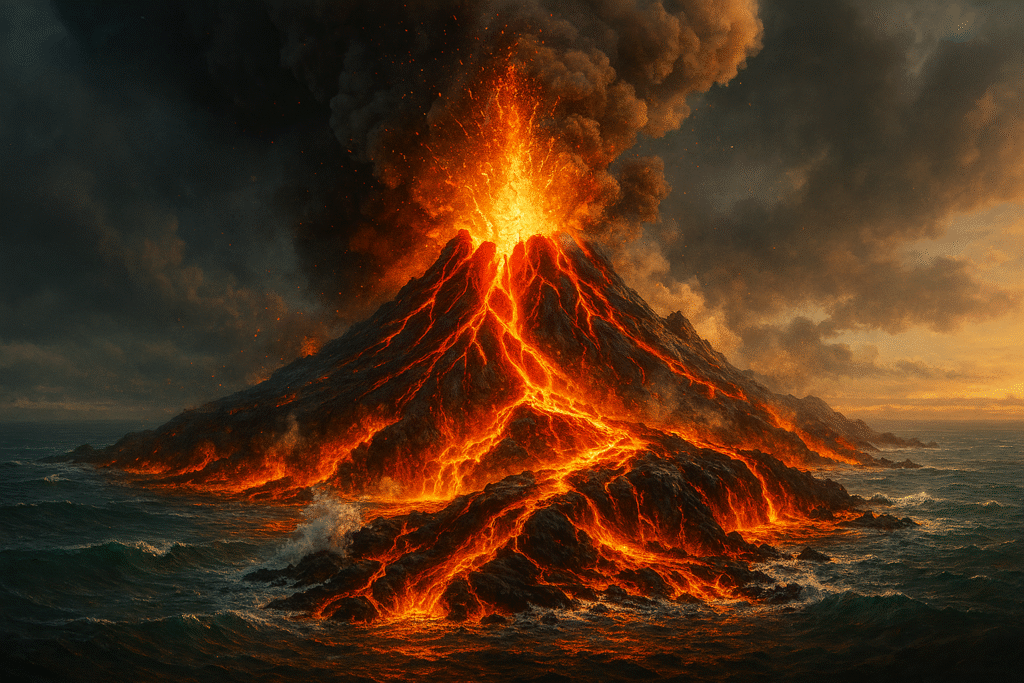
I bet you didn’t know that when most people hear the word “volcano,” they think chaos, danger, and disaster movies with bad CGI. But here’s the twist: volcanoes are also creators. Beneath their fiery outbursts lies one of Earth’s oldest secrets — the power to build new worlds from destruction. This is the story of how every eruption rewrites the planet’s map, one island at a time. Did you know that every time a volcano erupts, the Earth might be giving birth to something new? 🌍🔥We often picture volcanoes as symbols of destruction — explosions, ash clouds, rivers of fire. But beneath the chaos, they’re nature’s most dramatic architects. They erase landscapes, yes, but they also sculpt brand-new ones. In the long story of Earth, volcanoes aren’t villains — they’re the writers of every new chapter. 🌋 Fire That Creates Instead of Destroys Volcanoes form when molten rock, or magma, rises from deep inside the Earth’s mantle. When it breaks through the crust, it becomes lava, spreading across land and solidifying as it cools. That process — violent, unpredictable, yet precise — is literally how continents grow. Take Hawaii, for example. The entire island chain exists because of a volcanic “hot spot” under the Pacific Ocean. Over millions of years, lava from underwater eruptions piled up, cooled, and hardened — creating one island after another. 🌴 That means every beach selfie ever taken in Honolulu? Courtesy of liquid fire that cooled down just right. 🔥📸 And it’s not just Hawaii — Iceland, Japan, Indonesia, and even parts of Italy were shaped by ancient volcanoes. The Earth is constantly recycling itself: burning, cooling, growing, and repeating the cycle like a cosmic compost bin. 🧱 How Lava Builds Land (The Slow Magic) Lava looks chaotic, but it’s actually methodical. When it pours into the sea, the contrast between the molten rock (about 2,000°F) and the water causes a violent hiss of steam. Then, slowly, it cools into rock. Layer by layer, over decades or centuries, those hardened flows stack up like bricks. Eventually, what began as underwater eruptions becomes something you can stand on — new land. The planet literally expands beneath our feet. In 2018, a submarine volcano called Hunga Tonga-Hunga Ha’apai erupted in the South Pacific, forming a new island almost overnight. At first, scientists thought it would erode within months. Instead, it lasted for years — home to birds, plants, and even microbial life. That’s the wild thing: the Earth can hit “destroy,” and somehow the aftermath becomes a launchpad for life. 🌱 The Fertility of Fire Volcanic soil is some of the most fertile on Earth. 🌾When lava breaks down over time, it releases minerals like iron, magnesium, and potassium — nutrients that supercharge plant growth. That’s why regions with volcanic activity, like Java or Naples, are agricultural gold mines. Where there’s ash, there’s abundance.Coffee, bananas, and even grapes for some of the world’s best wines grow in volcanic soil. So yes, your morning espresso might have a fiery past. ☕🔥 It’s nature’s paradox: destruction makes creation possible. 🗺️ When Volcanoes Rewrite the Map Volcanoes don’t just build islands; they literally redraw political borders. In 1963, the Surtsey eruption near Iceland gave birth to an entirely new island. It was such a big deal that the United Nations declared it a protected natural lab. Scientists still study it to this day — it’s the only place on Earth where you can watch an ecosystem form from zero. What’s mind-blowing is how fast it happened: one day there was open ocean, and within weeks there was land. Not a metaphorical “new start” — actual new ground on the map. Every eruption is a reminder that the Earth is not finished. It’s still a work in progress, reshaping itself like a sculptor that never stops carving. 🌋 A Symphony of Pressure Behind every volcano is a symphony of geological pressure — plates colliding, crust cracking, gases escaping. It’s messy, but it’s art. Without volcanoes, the atmosphere we breathe wouldn’t exist. Billions of years ago, volcanic outgassing released water vapor and carbon dioxide into the air, creating the foundation for Earth’s climate and oceans. In short: no volcanoes, no breathable air, no oceans, no you reading this right now. 🤯🌬️ We owe our very existence to explosions. 🌍 Modern Volcanoes: The Artists Still at Work Today, volcanoes are still creating land. Kīlauea in Hawaii constantly pours new rock into the Pacific. Mount Etna in Sicily adds inches to Italy every decade. Even underwater volcanoes, invisible to us, are busy building the next generation of islands. Some scientists even call volcanoes the “heartbeat of the planet.” They release pressure, recycle rock, and keep Earth’s crust flexible instead of brittle. Without them, the planet would eventually crack — a dramatic way of saying, we actually need the chaos. So, next time you see an image of glowing lava, remember: that’s the planet’s version of self-care. A little meltdown, followed by renewal. 🧘‍♀️🔥 🪨 The Human Side of the Flame Cultures across the world have always respected volcanoes — and for good reason. In Hawaiian mythology, the goddess Pele is the spirit of lava, destruction, and creation. In Japanese culture, Mount Fuji is both sacred and symbolic of rebirth. Humans instinctively recognize what volcanoes represent: transformation.They teach us that endings and beginnings can happen in the same breath — that fire can be both cruel and creative. ✨ From Ashes to Awe Every volcano tells the same story: you can’t make new ground without shaking the old.They remind us that creation and destruction aren’t opposites — they’re twins. So yes, volcanoes destroy. They also plant the seeds of continents, turn ash into soil, and write poetry in magma. Every eruption says, “The world isn’t over — it’s just evolving.” Maybe that’s why, deep down, we’re drawn to fire. Because we recognize ourselves in it. The Earth’s greatest explosions aren’t endings. They’re invitations — to grow, to rebuild, and to rise again, even if

NELS

The interesting Dark Truth Behind ‘Sleep With the Fishes’

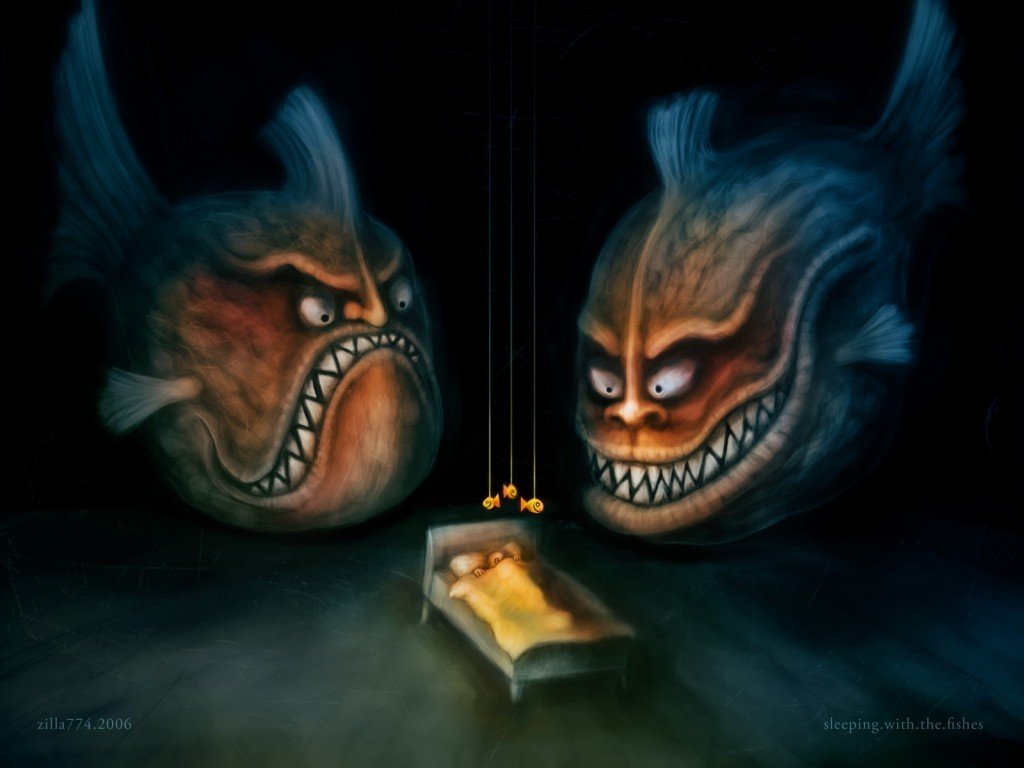
I bet you didn’t know that one of the world’s most famous dark idioms has nothing to do with aquariums or bedtime stories. “Sleep with the fishes” sounds almost cartoonish, but in reality, it’s a phrase born out of underworld lingo, immortalized by movies, and recycled today in memes, jokes, and pop culture. It’s an example of how language twists something grim into something almost entertaining. So where does this phrase come from, what does it mean, and why do we still hear it today? Let’s dive in. 🐠 What Does “Sleep With the Fishes” Mean? At its core, “to sleep with the fishes” means someone has been killed and their body dumped in the water. Brutal, yes — but the reason the phrase stuck around is because it feels so indirect. It avoids saying the word “death” at all, instead dressing it up in a strangely poetic, almost humorous way. And that’s the power of idioms: they turn the unspeakable into something that can be spoken. 🎬 Pop Culture Made It Famous If you’ve heard “sleep with the fishes”, odds are it came through a movie. The phrase blew up globally in 1972 thanks to The Godfather, when the Corleone family receives a chilling message about a missing associate: “Luca Brasi sleeps with the fishes.” That one line transformed mafia slang into cultural history. Since then, the phrase has been: Pop culture didn’t just preserve the phrase — it made it universal. Even if you’ve never seen The Godfather, you probably understand the reference instantly. 🧩 Why Fishes? Why Sleep? The structure of the phrase matters. “Sleep” softens the act of death — it’s a gentle metaphor used in many cultures. Add “fishes,” and suddenly you’ve got an image that’s surreal, even absurd. It’s what makes the phrase both chilling and memorable. It’s also tied to old underworld practices. Water has long been used in folklore and crime stories as a place of disappearance. The fish detail? That’s just mafia poetry. 🐟 😂 From Fearsome to Funny Here’s the twist: today, most people don’t use “sleep with the fishes” seriously. Instead, it shows up as: It’s gone from something terrifying to something playful, which shows how language evolves. What used to signal danger now signals “I’m being dramatic, don’t take me too seriously.” 🌍 Cross-Cultural Connections Other languages have similar ways of talking around death: “Sleep with the fishes” just happens to be one of the few that went global thanks to cinema. 📚 Why It Still Matters So why should we care about a dark phrase like this? Because it shows how culture, storytelling, and slang shape our everyday language. Idioms aren’t just words — they’re time capsules. They tell us what people feared, what they joked about, and how they coped with harsh realities. Plus, knowing the story behind phrases gives you an edge in conversations. Drop a casual, “That line actually comes from The Godfather” at dinner, and boom — instant trivia points. “Sleep with the fishes” is proof that language can take something deadly serious and turn it into something almost playful. From mafia code to movie legend to everyday joke, it’s traveled through decades and generations. So next time you hear it, don’t picture something grim — picture how amazing it is that words carry stories, power, and even humor across cultures. 🐟💬 📌 Save this article if you’re into quirky language history.💬 Comment below: What’s your favorite strange saying about death — “pushing up daisies,” “kicked the bucket,” or something from another language?

NELS

Benefits of Drinking Water: Energy and Glow

Why Water Is More Than Just a Drink I bet you didn’t know that something as simple as water could be the most underrated luxury in your life. Sure, it’s free, clear, and everywhere, but it’s also the quiet engine behind your brain power, mood, skin, and energy. While coffee, matcha, and cocktails get all the glam, water is the original glow-up fuel. Drinking enough water isn’t just about avoiding thirst — it’s about unlocking daily performance, health, and beauty. Let’s dive in. 🌊 🧠 1. Hydration = Brain Power Your brain is made of ~75% water. When you’re dehydrated, you don’t just feel thirsty — you feel foggy, cranky, and distracted. Studies show even mild dehydration reduces memory, focus, and mood. 💡 That afternoon slump? Sometimes it’s not stress or boredom. It’s your brain begging for water. ⚡ 2. Energy Without the Crash Forget energy drinks. Water is how your body regulates temperature, pumps oxygen through blood, and keeps muscles moving. Even a 2% dip in hydration = fatigue. Athletes call water their cheat code — but honestly, so should anyone with a 9-to-5. Staying hydrated keeps your energy stable, without the caffeine crash. ✨ 3. Skin That Glows From the Inside Out No, water won’t erase wrinkles overnight — but consistent hydration keeps skin plump, elastic, and smooth. Dehydration shows up instantly as dullness, fine lines, and under-eye shadows. Glow serums are great, but water is your first skincare step. 🥂✨ 💪 4. Metabolism & Weight Balance Water is like your metabolism’s personal assistant. It helps break down food, transport nutrients, and regulate appetite. Studies show drinking water before meals can reduce calorie intake and support weight management. And if you swap soda or juice for water? That’s hundreds of “empty” calories gone, without effort. 🧘 5. Detox + Digestion Your kidneys and liver are your body’s natural detox machines. Water is their fuel. Adequate hydration flushes toxins, prevents kidney stones, and keeps digestion smooth. 💧 Constipation? Nine times out of ten, hydration helps. 🌡️ 6. Mood + Stress Regulation Your nervous system runs on water. Being hydrated = balanced electrolytes = balanced mood. Dehydration is linked to irritability, headaches, and even higher stress hormones. So yes, drinking a glass of water can literally calm you down. 🕊️ 📈 7. Long-Term Health Gains Chronic dehydration is tied to higher risk of kidney disease, UTIs, and even heart problems. Staying hydrated isn’t just about the daily glow — it’s long-term insurance for your health. 🏞️ 8. How Much Water Do You Really Need? Forget the strict “8 glasses a day” rule — hydration depends on your lifestyle, climate, and body. A good guide: Hydration foods (watermelon, cucumber, soup) count too. ✨ Final Thoughts Drinking water is the most low-effort, high-reward ritual you can add to your day. It boosts your brain, fuels your body, protects your health, and yes — keeps your skin glowing. It’s not glamorous, but it’s the foundation of feeling luxurious in your own skin. 💎 📢 📌 Save this guide and make hydration your daily ritual.💬 Comment below: Do you track your water or just sip when you’re thirsty? More Nels Articles?

NELS

Atomic Habits: Transform Your Life Now

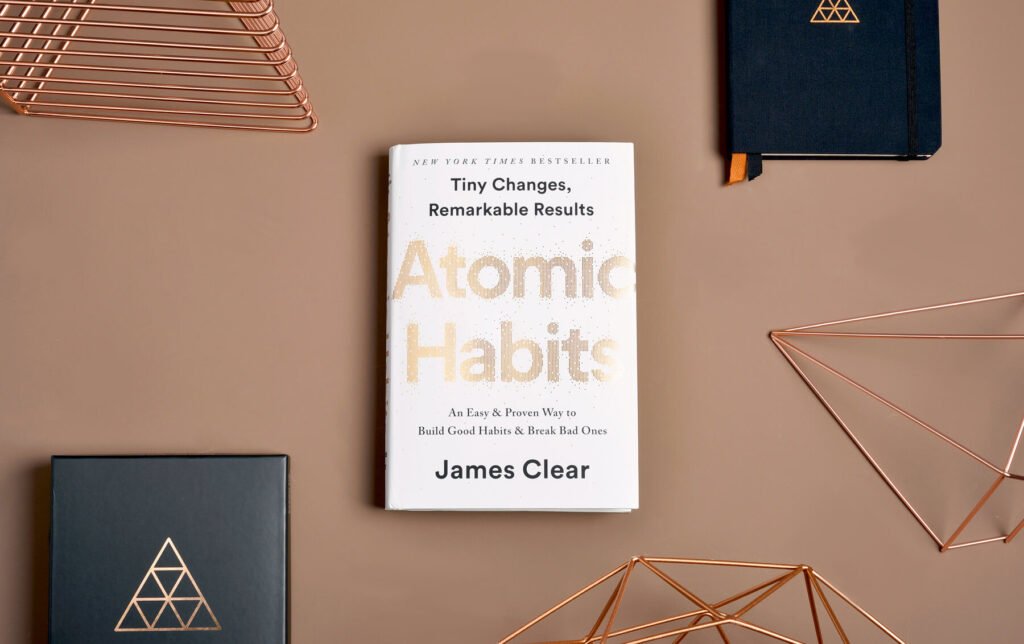
I bet you didn’t know that tiny habits are literally the secret sauce to a new you. 🌱✨ James Clear’s Atomic Habits isn’t just a book — it’s a brain hack. Start small, stay consistent, and watch your life level up. 🧠🚀 Tiny changes, massive results. I bet you didn’t know that big life changes don’t start with big moves — they start with ridiculously small ones. The kind that feel too simple to matter. That’s the core of Atomic Habits by James Clear, and it’s the secret to building better daily rituals that actually stick. 🌱 Why Small Habits Are a Big Deal Your brain loves consistency more than it loves drama. Big goals often fail because they overwhelm your brain’s reward system. Tiny habits, on the other hand, bypass resistance and rewire your identity. When you floss one tooth or write one sentence, you’re proving to yourself that you’re the type of person who does that habit — and your brain takes notes. Over time, this creates a habit loop: cue → action → reward. 🧠 The 1% Rule: Compound Growth for Humans James Clear calls this the 1% Better Rule — improve by 1% every day, and you’ll be 37x better by the end of the year. 📈 Sounds simple, but compound growth is sneaky. You won’t notice much for weeks, maybe months — and then one day, boom, results. Transition: So how do we actually put this into practice without feeling like a self-help robot? 🏗️ The Four Laws of Behavior Change (Made Real) Transition: Okay, but how do we turn these hacks into a whole lifestyle and not just a Monday motivation project? 🔄 Rituals vs. Routines: Why Language Matters Call them rituals instead of chores. Rituals make habits feel meaningful and identity-driven. Morning coffee + journaling isn’t just caffeine — it’s a grounding ritual. Stretching before bed isn’t just exercise — it’s a signal to your brain that it’s time to rest. 🛠️ Real-Life Examples of Micro-Habits That Work Transition: And yes, you can use this for every area of life — health, work, relationships. ❤️ Why This Isn’t About Hustle Culture This isn’t about over-optimizing every second of your life. It’s about designing a system that makes it easier to be the person you want to be. Less guilt, more flow. Remember: your habits are a vote for your future self. You don’t have to win every vote — you just have to keep casting them in the right direction. 📌 Final Thoughts Atomic Habits isn’t a quick fix — it’s a mindset shift. Tiny actions today shape who you become tomorrow. Start with one micro-habit. Commit to it for a week. Watch your brain catch up. Then stack another one. Before you know it, you’re living a life that feels designed — because you designed it. 📌 Save this post if you’re starting a new habit this week.💬 Drop a comment: What’s one small habit you want to start today — journaling, moving more, or drinking more water?

Scroll to Top
Verified by MonsterInsights