Author name: claster

Avatar photo
Africa🗿

It’s Fascinating! Trees Talk to Each Other!

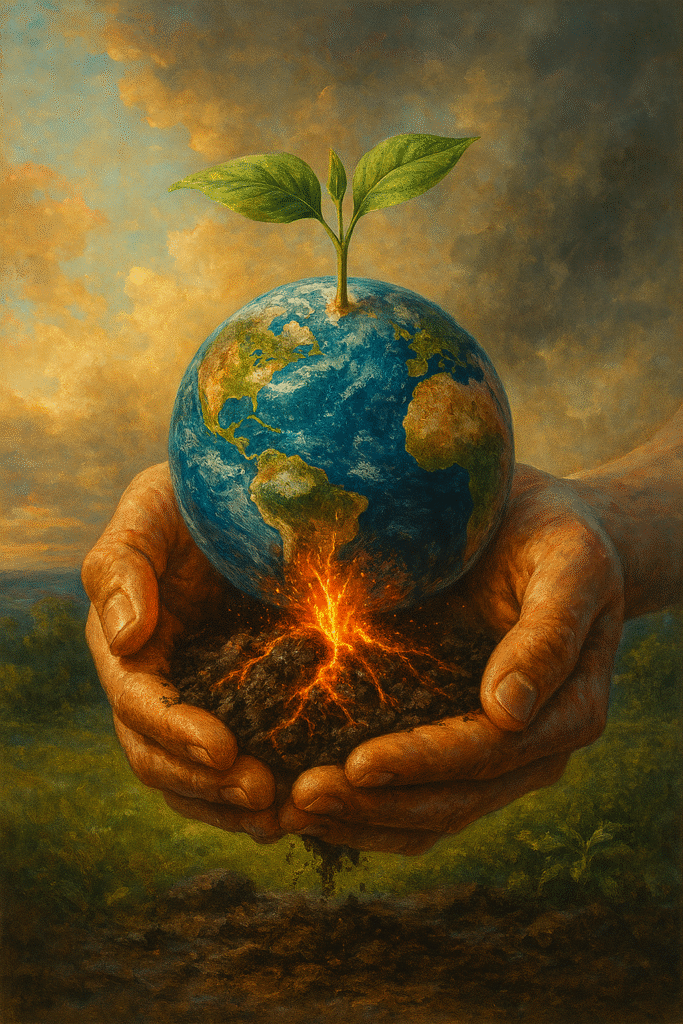
I bet you didn’t know before there were phones or Wi-Fi, there were roots — deep, tangled, and quietly alive. Scientists have discovered that trees don’t just stand side by side; they communicate through a vast underground network of fungi and chemical signals. This secret language of the forest is ancient, emotional, and surprisingly social. Did you know that forests are full of conversations? 🌳💬Not the kind you can hear, but ones whispered beneath your feet — in the soil, through roots, fungi, and molecules.For centuries, humans thought trees were silent, solitary beings. But science now shows they’re part of a massive, living network — a real-life internet of nature known as the Wood Wide Web. This underground communication system connects trees in ways so intricate it makes our Wi-Fi look clumsy. They share nutrients, warn each other about pests, and even send comfort to their “family.” In other words, trees don’t just grow together — they talk together. 🌿 The Hidden Internet Beneath the Forest Floor Let’s start with the basics: under every forest lies a web made of mycorrhizal fungi — tiny, thread-like structures that connect tree roots. These fungi trade nutrients and messages like ancient data cables.Think of them as nature’s broadband — delicate but powerful, organic but efficient. When a tree needs water or nitrogen, the fungi help deliver it. When a pest attacks one tree, the fungi carry chemical signals warning others to prepare.It’s teamwork at a cellular level. Forests aren’t just groups of trees — they’re communities with group chats. 😂🌳 🍄 The Fungal Network That Makes It All Possible The real heroes of this system are fungi — specifically, mycorrhizae, which means “fungus-root.”They form symbiotic relationships with plants: the fungus provides minerals, while the plant feeds it sugar made from sunlight. Under a microscope, these fungal threads look like glowing white filaments stretching for miles underground. They connect not just individual trees but entire species. A birch in one corner of the forest might send carbon to a pine tree hundreds of feet away — through fungal channels invisible to the human eye. This exchange is so efficient that some scientists joke the forest operates like a biological stock market, with trees trading resources based on need and season. 🌲💱 🌳 Mother Trees: The Forest’s Central Servers In every forest, there are elders — massive old trees that anchor the network. Scientists call them mother trees. They feed saplings, transfer extra nutrients, and even recognize their offspring through root chemistry. When a mother tree senses her “children” struggling in the shade, she sends them sugars through the underground network to help them survive. 🍼🌿When she’s dying, she releases her stored carbon back into the soil to be shared — like a final will for the forest. It’s heartbreakingly beautiful: a kind of green inheritance system that keeps life cycling. 🐛 The Warning System of the Woods Trees don’t just share — they warn.When a tree is attacked by insects, it sends distress signals through the network. Nearby trees respond by boosting their own defenses, releasing chemicals that make their leaves taste bitter to predators. It’s like a forest-wide alarm system — one tree yelling, “Hey, I’m being chewed alive! Brace yourselves!”Even plants like tomatoes and corn use similar chemical messaging above ground, proving that communication is hardwired into life itself. We didn’t invent emergency alerts; nature did. 🍅📡 🌎 The Empathy of Ecosystems What’s most fascinating is how selfless the system can be. Older, stronger trees often donate resources to weaker ones — even across species. A healthy cedar might feed a struggling fir; a dying pine might boost a neighbor’s growth. Forests thrive on collaboration, not competition.Humans tend to see life as survival of the fittest, but nature seems to prefer survival of the connected. 🌍💞 And get this — when scientists cut off trees from their fungal networks, they grow slower and die sooner. Isolation literally kills them. Sound familiar? Yeah — nature gets lonely too. ⚗️ The Science Meets the Soul The Wood Wide Web was first described by Dr. Suzanne Simard, a Canadian ecologist whose research changed everything we thought we knew about trees. Her experiments showed that carbon and nutrients move between trees through mycorrhizal links, proving that forests function more like families than factories. Her findings were so revolutionary that they inspired parts of Avatar — yes, the glowing-tree movie. 🎬🌌 Simard’s work reminds us that connection isn’t just poetic — it’s biological. Every living thing depends on another. The forest doesn’t just grow; it feels. 🪵 What Happens When the Connection Breaks Deforestation, pollution, and soil degradation damage these underground networks. When we tear down forests, we’re not just cutting trees — we’re disconnecting an entire living internet. Without that fungal web, new trees struggle to grow. Without their mother trees, ecosystems lose memory — like deleting a hard drive full of ancestral wisdom. That’s why forest restoration isn’t just about planting new trees — it’s about rebuilding communication between them. 🌱 The Root of It All So yes, trees really do talk — not in words, but in whispers of water, light, and chemistry.Every rustle of leaves above is matched by a conversation below. They remind us that silence doesn’t mean absence, and connection doesn’t always need noise. The ground beneath us is alive with messages older than language itself. If you stand quietly in a forest long enough, you can almost feel it — that hum of unseen dialogue, a billion roots and fungi exchanging secrets in the dark. 🌿🪵 Maybe the world’s not as disconnected as it seems.Maybe we just forgot how to listen. 🍃✨ Did you know there’s more you didn’t know? I bet you didn’t know. 😏

Culturally

The fascinating story of the weeping Woman

Somewhere between myth and memory, Mexico writes its stories in whispers.Somewhere between river and moonlight, one story refuses to die. The weeping women.. They say it began over two centuries ago, along the dark banks of the canals in Mexico City — when the air still smelled of incense and empire, and the water carried secrets instead of tourists. 🌒 A Cry in the Night The story of La Llorona — The Weeping Woman — has been told in Mexico for generations, from candlelit kitchens to classroom corners. It isn’t just a ghost story. It’s a mirror of the country’s heart — grief, guilt, and motherhood tangled in one haunting name. Two hundred years ago, when colonial Mexico still wore the marks of Spain, a young woman fell in love with a man she could never have. She was beautiful and poor; he was wealthy and powerful — their love, like everything forbidden, burned fast and bright. They had children, but he left her to marry a woman “of his kind.” Heartbroken and humiliated, the young mother wandered the riverbanks with her children, her tears mixing with the water. And one night, her grief became madness — she drowned them in the current, then, realizing what she had done, threw herself in after them. From that night on, her spirit was heard wandering the rivers, weeping for the children she had lost — or taken. “Ay, mis hijos…”“Oh, my children…” The wail became part of Mexico’s soundscape — not just a story told to keep children home after dark, but a reminder of how love, loss, and colonial pain still echo in the land. 🌾 A Country Haunted — and Healed Historians say the legend likely began around 1521, the fall of the Aztec Empire, when Spanish conquistadors destroyed Tenochtitlán.The Indigenous people spoke of a woman heard crying in the night — mourning not her own children, but the death of a nation. Over centuries, that story evolved — absorbing Catholic guilt, Spanish tragedy, and Indigenous sorrow — until it became the one we tell today. In many ways, La Llorona is Mexico itself: part beauty, part mourning, part resilience. She weeps for what was lost, but she keeps walking. She refuses to vanish. Even now, 200 years later, locals say they’ve heard her cries echo near the canals of Xochimilco or along the Río Grande borderlands. Whether you believe in her or not, it’s hard not to feel something ancient stir when you hear her name. 💧 The Meaning Beneath the Myth La Llorona’s story has become a cultural symbol — sung in songs, painted in murals, even adapted into films. But beneath all the retellings lies a truth: she represents the cost of forgetting. She is a warning against losing oneself — as a mother, as a people, as a country.She teaches empathy, accountability, and the power of memory. When Mexico celebrates Día de los Muertos, her story slips through again — not as a horror, but as a hymn. Because in Mexico, death isn’t the end of a story. It’s just another way to tell it. 🌙 Between River and Reflection Somewhere between myth and memory, La Llorona still walks.Maybe you’ll hear her in the wind, or see her in the flicker of a candle during November nights.Maybe she’s not just a woman anymore — maybe she’s every cry for what we’ve lost and every prayer for what we still have. Either way, if you ever find yourself near the canals of Xochimilco, listen closely.Mexico still remembers her. And maybe, she still remembers Mexico. Somewhere between myth and reality… you might stumble into the next story.

Culturally, NELS

Space Has a Strange Smell! Not What You Think

I bet you didn’t know Outer space looks silent and majestic — a black sea sprinkled with stars, infinite and untouchable. But here’s the twist: astronauts say it also has a smell. A very strong, very unexpected one. The scent of space lingers on their suits after a spacewalk, and it’s nothing like what you’d imagine. Here’s the strange, scientific, and slightly smoky story behind how space actually smells. Did you know that space — the vast, endless vacuum beyond our sky — smells? 🧠🚀You’d think the universe would be odorless, right? No air, no oxygen, no way for scents to travel. And you’d be mostly right — space itself doesn’t carry smells because it’s a vacuum. But when astronauts return from spacewalks, their suits, gloves, and helmets come back with an odor that’s… well, unexpected. They say it smells like seared steak, burnt metal, and welding fumes.Yep, the final frontier smells like a barbecue after a thunderstorm. 🌩️🥩 🧪 The Science of Cosmic Scent So what exactly are astronauts smelling if space is technically scentless?Here’s the twist: it’s not the smell in space, but the smell after space. When astronauts open the airlocks, the molecules from space interact with oxygen inside the spacecraft. That reaction produces new compounds — tiny traces of ozone, burned carbon, and polycyclic aromatic hydrocarbons (PAHs). PAHs are the same chemicals that give campfires, grilled meat, and even car exhaust their signature scent. So yes — the universe has the same vibe as a Fourth of July cookout. 🔥😅 The smell of space, in other words, is the aroma of cosmic chemistry — the afterglow of atoms colliding, breaking apart, and reforming in the most extreme environments imaginable. 🌠 What Astronauts Actually Say NASA astronauts have described the smell in some colorful ways: “It’s like gunpowder… metallic… kind of like ozone or burnt almond cookies.” — Don Pettit “It smells like welding fumes. Like someone just finished burning metal.” — Thomas Jones “A hint of seared steak, hot metal, and fireworks.” — multiple ISS crew members Imagine floating in infinite silence for six hours, then stepping back inside your spacecraft and catching a whiff of “space barbecue.” It’s both comforting and uncanny — proof that even the most alien environments still feel oddly familiar. 🌋 The Universe Is Basically One Big Chemistry Set The smell of space comes from the same forces that build stars and destroy them. When cosmic objects collide — like supernovas or asteroid impacts — they release vast energy bursts that create new compounds. These drifting molecules cling to spacecraft, suits, and even microscopic dust. In essence, astronauts are walking through the ashes of stars. 🌟 Those star ashes contain carbon, iron, sulfur, and nitrogen — the same elements that make up everything from your blood to your breakfast. When exposed to oxygen, they burn faintly, giving off that metallic, smoky scent. You’re literally smelling the universe’s burn history. 🔥🪐 💫 Why Humans Love (and Fear) That Smell Here’s where it gets poetic — and a little existential.That burnt, metallic scent feels familiar because it’s tied to survival. On Earth, those same odors often mean energy, warmth, or transformation: fire, fuel, protection. It’s primal. Our brains are wired to recognize the chemistry of combustion as both power and danger. So when astronauts describe the smell of space, they’re also describing something deeply human — the scent of change itself. It’s the smell of things being born and destroyed at the same time. 🧑‍🚀 NASA’s “Eau de Space” Experiment NASA once worked with chemist Steve Pearce to recreate the smell of space for astronaut training. The idea? To help new spacewalkers get used to it before their first mission. Pearce’s formula included hints of ozone, gunpowder, metal, and burnt almond — not exactly Chanel No. 5. 😂 But it became a hit on Earth when samples were leaked online. People were fascinated by the idea of bottling the cosmos. Fun fact: a few perfumers even tried to remix the idea into luxury fragrances, branding them as “the scent of the unknown.” It’s giving existential chic. 🪞✨ 🌌 Space Isn’t Empty — It’s Electric We often describe space as a vacuum, but it’s far from empty. The galaxy is filled with charged particles, solar radiation, magnetic fields, and stardust. When these particles collide, they create bursts of energy — and that’s what “scorches” molecules around spacecraft. It’s kind of like lightning making ozone after a storm.The smell of space is the smell of cosmic electricity — energy leaving fingerprints in the air. And here’s a mind-blower: scientists believe the same chemical compounds exist around dying stars and black holes, meaning the whole universe might share one signature scent — smoky, metallic, a little bit dramatic. Like space itself. 🌠 🪐 The Scent of Perspective Every time an astronaut smells space, it’s a reminder that we’re all made from the same cosmic material. The iron in your blood was once inside a supernova. The carbon in your skin once floated between galaxies. That’s what makes the smell of space so profound — it’s not just about chemistry; it’s about ancestry. It’s a trace of where we came from. If you ever wanted to “smell stardust,” you already do. You’re breathing the same recycled atoms that formed suns billions of years ago. 🕯️ The Universe Smells Like Home So, does space smell good or bad?That depends on your perspective. It’s smoky, intense, and metallic — a little like danger, a little like nostalgia. It’s the smell of creation mid-process.The smell of something too vast to bottle, too ancient to name. When astronauts describe it, they often say it sticks with them — not just on their suits, but in their memory. Like a scent from childhood you can’t quite forget. Because how do you forget the smell of infinity? 🌌✨ Did you know there’s more you didn’t know? I bet you didn’t know. 😏

Culturally

The Hidden Strength in the Recovery of Earth, Small Acts, Big Difference”

Somewhere between myth and memory, Earth has always been a patient storyteller. She whispers through the wind, breathes through leaves, and sighs in the quiet after rain. But lately, her stories sound tired—like someone learning to heal after centuries of being misunderstood. We often think the planet needs grand solutions: billion-dollar projects, massive reforms, or futuristic technologies that glow in neon green. But what if recovery starts with something smaller—something simple, human, and almost invisible? Every reusable cup, every bike ride, every seed planted in dry soil is an act of quiet rebellion against the idea that one person can’t make a difference. A recycled jar becomes a symbol. A neighborhood cleanup becomes a ritual. And one voice—yours—becomes part of a growing chorus saying: we care, we remember, we’re still here. The planet doesn’t ask for perfection, only participation. To walk instead of drive sometimes. To reuse instead of replace. To choose glass over plastic, second-hand over brand new. Each choice ripples outward—through oceans, through cities, through future generations. Earth is not asking us to save her. She’s asking us to save ourselves by learning how to coexist again. Her recovery begins with humility—with admitting we forgot how to listen. So listen to her silence. It’s not absence—it’s an invitation. 🌱

Culturally, NELS

🌋 Did You Know? Volcanoes Can Create New Land

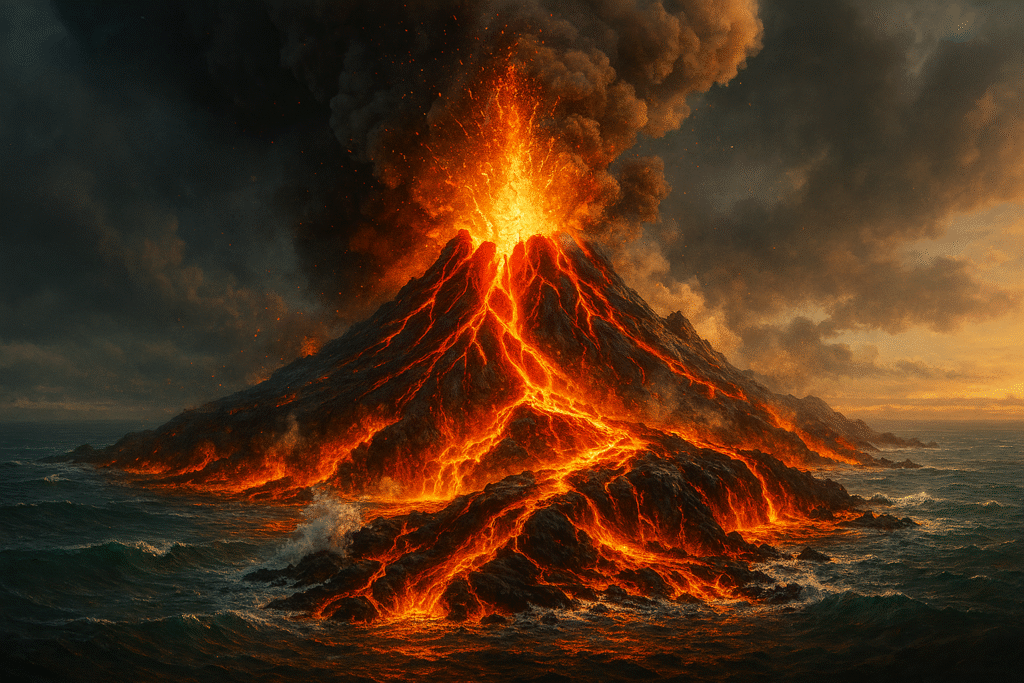
I bet you didn’t know that when most people hear the word “volcano,” they think chaos, danger, and disaster movies with bad CGI. But here’s the twist: volcanoes are also creators. Beneath their fiery outbursts lies one of Earth’s oldest secrets — the power to build new worlds from destruction. This is the story of how every eruption rewrites the planet’s map, one island at a time. Did you know that every time a volcano erupts, the Earth might be giving birth to something new? 🌍🔥We often picture volcanoes as symbols of destruction — explosions, ash clouds, rivers of fire. But beneath the chaos, they’re nature’s most dramatic architects. They erase landscapes, yes, but they also sculpt brand-new ones. In the long story of Earth, volcanoes aren’t villains — they’re the writers of every new chapter. 🌋 Fire That Creates Instead of Destroys Volcanoes form when molten rock, or magma, rises from deep inside the Earth’s mantle. When it breaks through the crust, it becomes lava, spreading across land and solidifying as it cools. That process — violent, unpredictable, yet precise — is literally how continents grow. Take Hawaii, for example. The entire island chain exists because of a volcanic “hot spot” under the Pacific Ocean. Over millions of years, lava from underwater eruptions piled up, cooled, and hardened — creating one island after another. 🌴 That means every beach selfie ever taken in Honolulu? Courtesy of liquid fire that cooled down just right. 🔥📸 And it’s not just Hawaii — Iceland, Japan, Indonesia, and even parts of Italy were shaped by ancient volcanoes. The Earth is constantly recycling itself: burning, cooling, growing, and repeating the cycle like a cosmic compost bin. 🧱 How Lava Builds Land (The Slow Magic) Lava looks chaotic, but it’s actually methodical. When it pours into the sea, the contrast between the molten rock (about 2,000°F) and the water causes a violent hiss of steam. Then, slowly, it cools into rock. Layer by layer, over decades or centuries, those hardened flows stack up like bricks. Eventually, what began as underwater eruptions becomes something you can stand on — new land. The planet literally expands beneath our feet. In 2018, a submarine volcano called Hunga Tonga-Hunga Ha’apai erupted in the South Pacific, forming a new island almost overnight. At first, scientists thought it would erode within months. Instead, it lasted for years — home to birds, plants, and even microbial life. That’s the wild thing: the Earth can hit “destroy,” and somehow the aftermath becomes a launchpad for life. 🌱 The Fertility of Fire Volcanic soil is some of the most fertile on Earth. 🌾When lava breaks down over time, it releases minerals like iron, magnesium, and potassium — nutrients that supercharge plant growth. That’s why regions with volcanic activity, like Java or Naples, are agricultural gold mines. Where there’s ash, there’s abundance.Coffee, bananas, and even grapes for some of the world’s best wines grow in volcanic soil. So yes, your morning espresso might have a fiery past. ☕🔥 It’s nature’s paradox: destruction makes creation possible. 🗺️ When Volcanoes Rewrite the Map Volcanoes don’t just build islands; they literally redraw political borders. In 1963, the Surtsey eruption near Iceland gave birth to an entirely new island. It was such a big deal that the United Nations declared it a protected natural lab. Scientists still study it to this day — it’s the only place on Earth where you can watch an ecosystem form from zero. What’s mind-blowing is how fast it happened: one day there was open ocean, and within weeks there was land. Not a metaphorical “new start” — actual new ground on the map. Every eruption is a reminder that the Earth is not finished. It’s still a work in progress, reshaping itself like a sculptor that never stops carving. 🌋 A Symphony of Pressure Behind every volcano is a symphony of geological pressure — plates colliding, crust cracking, gases escaping. It’s messy, but it’s art. Without volcanoes, the atmosphere we breathe wouldn’t exist. Billions of years ago, volcanic outgassing released water vapor and carbon dioxide into the air, creating the foundation for Earth’s climate and oceans. In short: no volcanoes, no breathable air, no oceans, no you reading this right now. 🤯🌬️ We owe our very existence to explosions. 🌍 Modern Volcanoes: The Artists Still at Work Today, volcanoes are still creating land. Kīlauea in Hawaii constantly pours new rock into the Pacific. Mount Etna in Sicily adds inches to Italy every decade. Even underwater volcanoes, invisible to us, are busy building the next generation of islands. Some scientists even call volcanoes the “heartbeat of the planet.” They release pressure, recycle rock, and keep Earth’s crust flexible instead of brittle. Without them, the planet would eventually crack — a dramatic way of saying, we actually need the chaos. So, next time you see an image of glowing lava, remember: that’s the planet’s version of self-care. A little meltdown, followed by renewal. 🧘‍♀️🔥 🪨 The Human Side of the Flame Cultures across the world have always respected volcanoes — and for good reason. In Hawaiian mythology, the goddess Pele is the spirit of lava, destruction, and creation. In Japanese culture, Mount Fuji is both sacred and symbolic of rebirth. Humans instinctively recognize what volcanoes represent: transformation.They teach us that endings and beginnings can happen in the same breath — that fire can be both cruel and creative. ✨ From Ashes to Awe Every volcano tells the same story: you can’t make new ground without shaking the old.They remind us that creation and destruction aren’t opposites — they’re twins. So yes, volcanoes destroy. They also plant the seeds of continents, turn ash into soil, and write poetry in magma. Every eruption says, “The world isn’t over — it’s just evolving.” Maybe that’s why, deep down, we’re drawn to fire. Because we recognize ourselves in it. The Earth’s greatest explosions aren’t endings. They’re invitations — to grow, to rebuild, and to rise again, even if

Asia🏯, Culturally, Hidden Gems Only ✨

Koh Yao Noi: Thailand’s Hidden Gems of Luxury

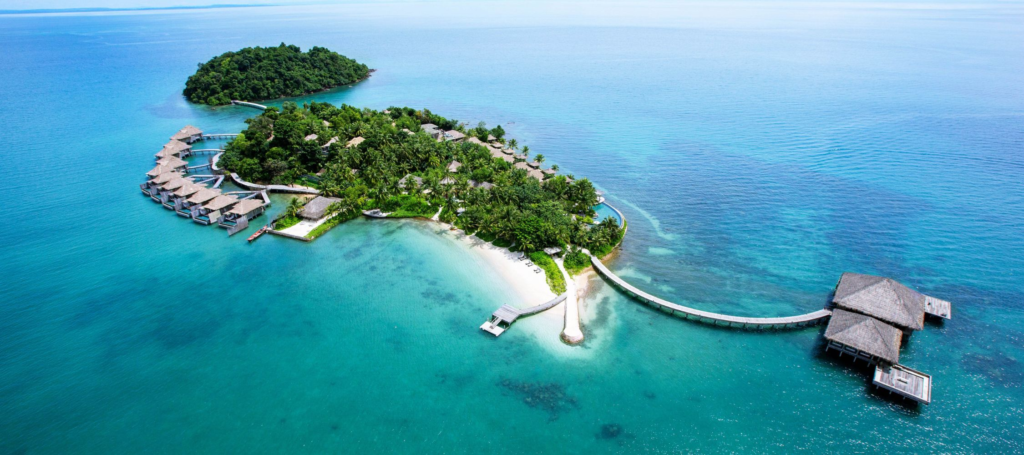
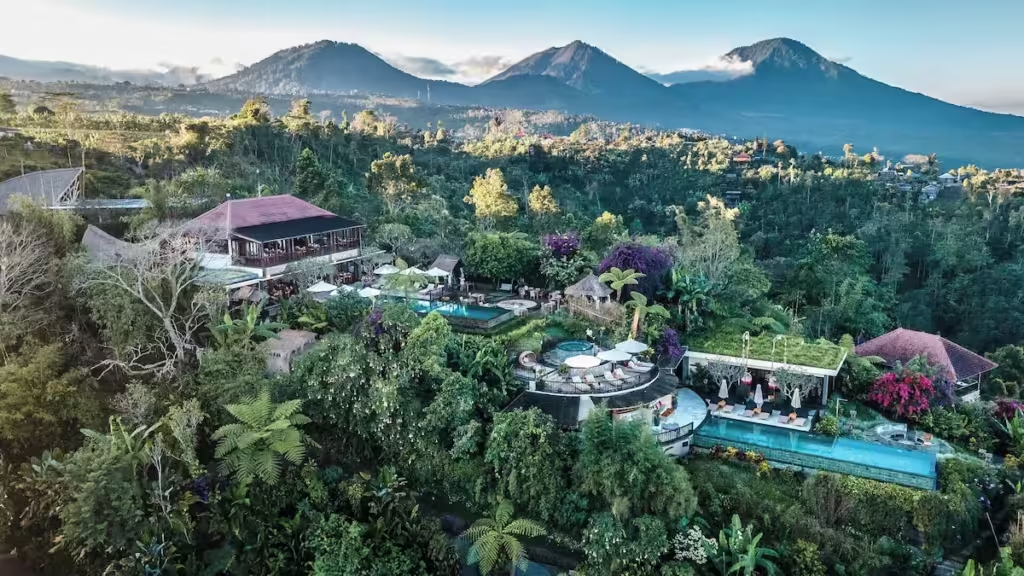
🌅 Between Two Shores Lies a Secret Between Phuket’s glossy chaos and Krabi’s sun-drenched buzz lies an island that forgot to go viral — and thank goodness for that. Welcome to Koh Yao Noi, Thailand’s best-kept secret. A quiet patch of paradise in Phang Nga Bay where time slows down, the Wi-Fi politely minds its business, and luxury comes barefoot. 🌿 It’s the kind of island that doesn’t need an algorithm — it has limestone cliffs rising straight from the sea, wooden villas that smell like teak and salt, and locals who smile like they know something you don’t. Koh Yao Noi isn’t trying to be Bali or Phuket — it’s the calm between both storms. It’s what travelers mean when they whisper “off the grid” but still crave air-conditioning and room service. This isn’t about escaping the world. It’s about remembering you’re part of it. 🏡 Where to Stay: Quiet Luxury With a View Let’s be honest — if you come to Koh Yao Noi, you’re not roughing it. You’re refining it. The island’s luxury is quiet, the kind that comes without crowds or chrome. Here, hotels are more sanctuary than spectacle — eco-chic, sea-scented, and softly extravagant. ✨ Six Senses Yao Noi – The crown jewel. Wooden villas draped in tropical vines, infinity pools hovering above the Andaman Sea, and architecture that blends into the forest like it grew there. Each villa comes with a personal butler who seems to appear only when you actually need them — a rare skill in hospitality and in life. 🌴 Cape Kudu Hotel – Think seaside minimalism meets nautical daydream. Whitewashed rooms, rattan chairs, and balconies that frame the horizon like art. The energy is “I work remotely, but elegantly.” 🌺 TreeHouse Villas – Adults-only and elevated — literally. Wooden walkways, private plunge pools, and the kind of view that makes you believe in manifesting. Each place reminds you that luxury doesn’t have to shout — sometimes it just hums quietly through bamboo blinds and ocean breeze. 🛶 What to Do: Adventures in Stillness Koh Yao Noi doesn’t ask you to “do” much — it simply invites you to be. But when you’re ready to leave the hammock, the island rewards your curiosity. 🌿 Kayak Through Mangroves – Glide between ancient limestone cliffs that rise like sleeping giants from the water. You’ll hear the sound of cicadas and the occasional splash of something mysterious (probably a fish, probably). 🚴 Bike the Island – Ride through tiny villages where kids wave from porches and roosters still run morning meetings. Stop for coconut water straight from the source — no straw, no problem. 🏝️ Island-Hop to Koh Hong – A lagoon so surreal it feels painted. Go early in the morning, before the world remembers it exists. 🧘 Yoga and Thai Massage by the Beach – A stretch, a sigh, a reminder that your body deserves to be this relaxed. 🌅 Sunset Boat in Phang Nga Bay – Picture orange skies dripping into turquoise waters, long-tail boats gliding like poetry, and silence so perfect it feels designed. “Koh Yao Noi doesn’t buzz — it breathes.” 🥥 Eat & Drink: Tropical Flavor, Local Soul Here, dining isn’t about Michelin stars — it’s about flavors that find you. 🍽️ The Hilltop Restaurant (Six Senses) – Fine dining without stiffness. Enjoy Thai fusion beneath lanterns, with the ocean stretching endlessly below.🌾 Rice Paddy Organic Café – Vegan, colorful, and completely relaxed. You’ll meet travelers who came for lunch and stayed a week.🍡 Street Stalls – Coconut pancakes, papaya salad, and mango sticky rice that will emotionally ruin you for all future desserts. Every meal tastes like a conversation between the island and your taste buds — no pretense, just balance. “It’s not just food. It’s therapy seasoned with lemongrass.” 🌊 Why Koh Yao Noi = The Island Gem to Know You can find beaches anywhere. You can’t find this. Koh Yao Noi is the rare intersection of peace and polish — where sustainability meets sophistication. The locals still fish in the mornings, monks still walk barefoot for alms, and boutique resorts blend seamlessly into the jungle rather than bulldoze it. Nearly every resort here runs on renewable energy, supports local crafts, and gives back to the community. You can sip a coconut knowing it didn’t travel farther than your taxi ride. “Koh Yao Noi doesn’t compete for attention — it quietly earns devotion.” 🌺 Redefining Island Luxury Luxury isn’t a number of stars — it’s how you feel when you look up and realize there’s nothing you need to check. This island isn’t about excess; it’s about essence. It’s the soft rustle of palms instead of playlists, the space to breathe without Wi-Fi notifications. Here, you remember that the world doesn’t need more noise — it needs more noticing. 🌿- 🌅Let’s Wrap-Up So next time you’re planning your escape to Thailand, skip the scene and choose the stillness. Let Koh Yao Noi remind you that paradise isn’t about who sees it — it’s about how it makes you feel. Are you ready to trade chaos for calm, one barefoot sunrise at a time? 🌴 📌 Save this guide for your next hidden island daydream.💬 Comment below: Hammock or infinity pool — what’s your first stop?

NELS

The interesting Dark Truth Behind ‘Sleep With the Fishes’

I bet you didn’t know that one of the world’s most famous dark idioms has nothing to do with aquariums or bedtime stories. “Sleep with the fishes” sounds almost cartoonish, but in reality, it’s a phrase born out of underworld lingo, immortalized by movies, and recycled today in memes, jokes, and pop culture. It’s an example of how language twists something grim into something almost entertaining. So where does this phrase come from, what does it mean, and why do we still hear it today? Let’s dive in. 🐠 What Does “Sleep With the Fishes” Mean? At its core, “to sleep with the fishes” means someone has been killed and their body dumped in the water. Brutal, yes — but the reason the phrase stuck around is because it feels so indirect. It avoids saying the word “death” at all, instead dressing it up in a strangely poetic, almost humorous way. And that’s the power of idioms: they turn the unspeakable into something that can be spoken. 🎬 Pop Culture Made It Famous If you’ve heard “sleep with the fishes”, odds are it came through a movie. The phrase blew up globally in 1972 thanks to The Godfather, when the Corleone family receives a chilling message about a missing associate: “Luca Brasi sleeps with the fishes.” That one line transformed mafia slang into cultural history. Since then, the phrase has been: Pop culture didn’t just preserve the phrase — it made it universal. Even if you’ve never seen The Godfather, you probably understand the reference instantly. 🧩 Why Fishes? Why Sleep? The structure of the phrase matters. “Sleep” softens the act of death — it’s a gentle metaphor used in many cultures. Add “fishes,” and suddenly you’ve got an image that’s surreal, even absurd. It’s what makes the phrase both chilling and memorable. It’s also tied to old underworld practices. Water has long been used in folklore and crime stories as a place of disappearance. The fish detail? That’s just mafia poetry. 🐟 😂 From Fearsome to Funny Here’s the twist: today, most people don’t use “sleep with the fishes” seriously. Instead, it shows up as: It’s gone from something terrifying to something playful, which shows how language evolves. What used to signal danger now signals “I’m being dramatic, don’t take me too seriously.” 🌍 Cross-Cultural Connections Other languages have similar ways of talking around death: “Sleep with the fishes” just happens to be one of the few that went global thanks to cinema. 📚 Why It Still Matters So why should we care about a dark phrase like this? Because it shows how culture, storytelling, and slang shape our everyday language. Idioms aren’t just words — they’re time capsules. They tell us what people feared, what they joked about, and how they coped with harsh realities. Plus, knowing the story behind phrases gives you an edge in conversations. Drop a casual, “That line actually comes from The Godfather” at dinner, and boom — instant trivia points. “Sleep with the fishes” is proof that language can take something deadly serious and turn it into something almost playful. From mafia code to movie legend to everyday joke, it’s traveled through decades and generations. So next time you hear it, don’t picture something grim — picture how amazing it is that words carry stories, power, and even humor across cultures. 🐟💬 📌 Save this article if you’re into quirky language history.💬 Comment below: What’s your favorite strange saying about death — “pushing up daisies,” “kicked the bucket,” or something from another language?


Culturally

🌿 10 Simple Ways to Live Greener Every Day

Living greener isn’t about going off-grid or giving up your favorite city luxuries. It’s about making small, stylish swaps that fit into your routine while reducing your footprint. 🌍✨ These choices aren’t just good for the planet — they’re good for your wallet, your health, and your sense of purpose. Here are 10 simple ways to live greener every day that prove eco-friendly living can be chic, fun, and totally doable. 1. Carry a Reusable Water Bottle 💧 Single-use plastic is out. A reusable bottle reduces waste, keeps you hydrated, and looks way better in your bag or on your desk. 2. Shop Local & Seasonal 🥕 Local produce means fewer transport emissions, fresher meals, and support for farmers in your community. Seasonal eating naturally syncs with your body’s rhythm. 3. Ditch Fast Fashion 👗 Fast fashion is cheap for your closet but costly for the planet. Curate a capsule wardrobe, thrift stylish pieces, or invest in sustainable brands. Less is luxe. 4. Use Public Transport or Carpool 🚇 Solo rides add up. Choosing public transport, biking, or sharing a ride cuts emissions and often saves money (and parking headaches). 5. Go Digital, Go Paperless 📱 Opting for digital bills, notes, and receipts saves trees and reduces clutter. A cleaner inbox beats a pile of paper any day. 6. Reduce Food Waste 🍲 Plan meals, freeze leftovers, and reimagine scraps into soups or stir-fries. Food waste contributes to greenhouse gases, but your creativity can stop it. 7. Switch to Energy-Efficient Lighting 💡 LED bulbs last longer and use less power. A tiny change that adds up to lower bills and less energy use. 8. Say No to Plastic Bags 🛍️ Reusable totes are functional, foldable, and fashionable. Keep one with you and never get stuck with plastic again. 9. Embrace Minimalism 🧘 Owning less means wasting less. Minimalism isn’t about restriction — it’s about choosing quality and enjoying what you have. 10. Connect With Nature 🌳 Spend time outside, breathe deeply, walk barefoot, or just sit under a tree. The more connected you feel, the easier it becomes to care for the planet. ✨ Wrap-Up Living greener is about building habits that add up — not perfection. Every reusable bottle, tote bag, and mindful choice is a quiet win for you and the planet. 💚 📌 Save this list and try just one change this week.💬 Comment below: Which eco-habit are you starting with? Would you like me to also make this article SEO-polished with an optimized meta description + keywords list so it’s ready to rank on Google?

NELS

Benefits of Drinking Water: Energy and Glow

Why Water Is More Than Just a Drink I bet you didn’t know that something as simple as water could be the most underrated luxury in your life. Sure, it’s free, clear, and everywhere, but it’s also the quiet engine behind your brain power, mood, skin, and energy. While coffee, matcha, and cocktails get all the glam, water is the original glow-up fuel. Drinking enough water isn’t just about avoiding thirst — it’s about unlocking daily performance, health, and beauty. Let’s dive in. 🌊 🧠 1. Hydration = Brain Power Your brain is made of ~75% water. When you’re dehydrated, you don’t just feel thirsty — you feel foggy, cranky, and distracted. Studies show even mild dehydration reduces memory, focus, and mood. 💡 That afternoon slump? Sometimes it’s not stress or boredom. It’s your brain begging for water. ⚡ 2. Energy Without the Crash Forget energy drinks. Water is how your body regulates temperature, pumps oxygen through blood, and keeps muscles moving. Even a 2% dip in hydration = fatigue. Athletes call water their cheat code — but honestly, so should anyone with a 9-to-5. Staying hydrated keeps your energy stable, without the caffeine crash. ✨ 3. Skin That Glows From the Inside Out No, water won’t erase wrinkles overnight — but consistent hydration keeps skin plump, elastic, and smooth. Dehydration shows up instantly as dullness, fine lines, and under-eye shadows. Glow serums are great, but water is your first skincare step. 🥂✨ 💪 4. Metabolism & Weight Balance Water is like your metabolism’s personal assistant. It helps break down food, transport nutrients, and regulate appetite. Studies show drinking water before meals can reduce calorie intake and support weight management. And if you swap soda or juice for water? That’s hundreds of “empty” calories gone, without effort. 🧘 5. Detox + Digestion Your kidneys and liver are your body’s natural detox machines. Water is their fuel. Adequate hydration flushes toxins, prevents kidney stones, and keeps digestion smooth. 💧 Constipation? Nine times out of ten, hydration helps. 🌡️ 6. Mood + Stress Regulation Your nervous system runs on water. Being hydrated = balanced electrolytes = balanced mood. Dehydration is linked to irritability, headaches, and even higher stress hormones. So yes, drinking a glass of water can literally calm you down. 🕊️ 📈 7. Long-Term Health Gains Chronic dehydration is tied to higher risk of kidney disease, UTIs, and even heart problems. Staying hydrated isn’t just about the daily glow — it’s long-term insurance for your health. 🏞️ 8. How Much Water Do You Really Need? Forget the strict “8 glasses a day” rule — hydration depends on your lifestyle, climate, and body. A good guide: Hydration foods (watermelon, cucumber, soup) count too. ✨ Final Thoughts Drinking water is the most low-effort, high-reward ritual you can add to your day. It boosts your brain, fuels your body, protects your health, and yes — keeps your skin glowing. It’s not glamorous, but it’s the foundation of feeling luxurious in your own skin. 💎 📢 📌 Save this guide and make hydration your daily ritual.💬 Comment below: Do you track your water or just sip when you’re thirsty? More Nels Articles?


Stay & Slay 🛏️

Kyoto: Where Elegance and Luxury Are in Details

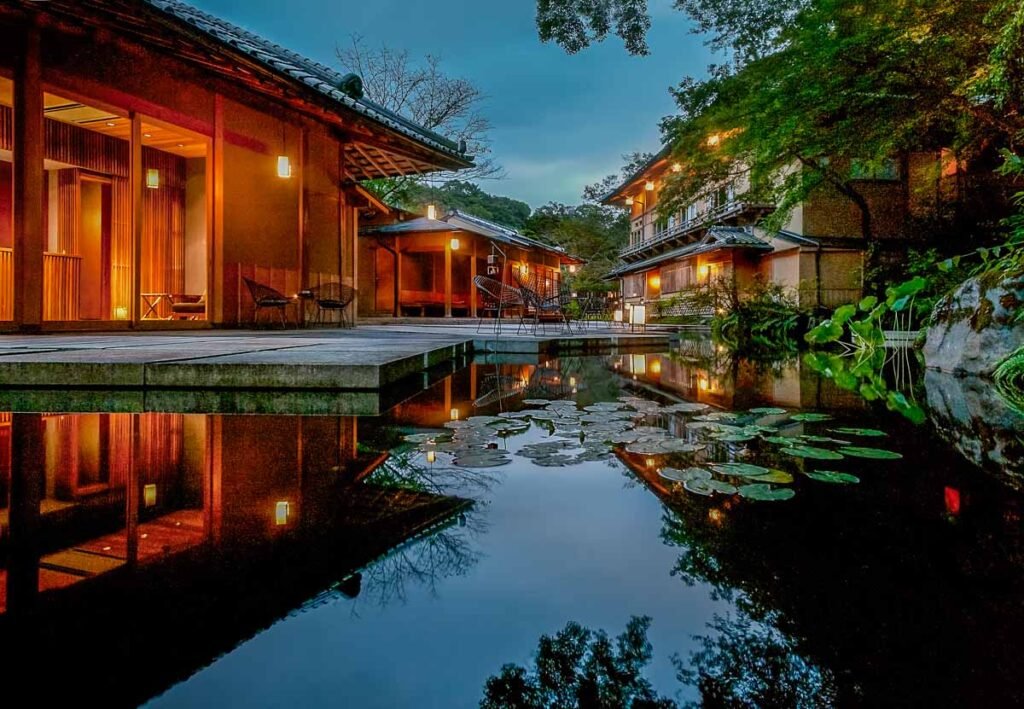
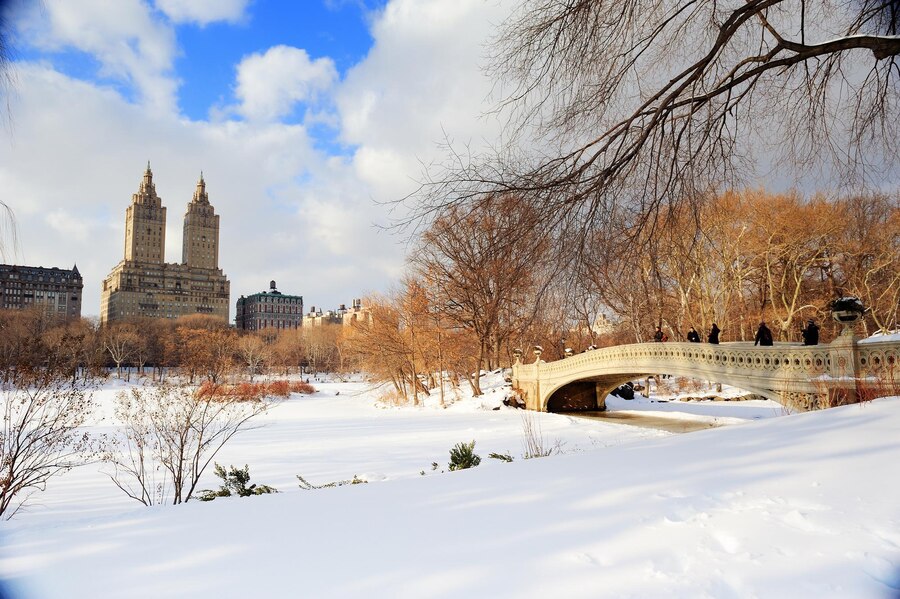
Kyoto, Japan, is where time slows down, snow kisses temple rooftops, and luxury feels ancient and eternal at the same time. ❄️✨ While Tokyo shines with neon, Kyoto whispers with golden temples, lantern-lit alleys, and ryokans that redefine what “bougie” means. So here’s how to turn Japan’s most timeless city into your own luxury escape. 🏯 Why Kyoto Is the Stay & Slay Dream of Japan Kyoto is Japan’s cultural heart — 1,000 years as the imperial capital left behind a legacy of palaces, shrines, gardens, and rituals that still shape daily life. But here’s the twist: luxury here isn’t flashy. It’s subtle. It’s in the silence of a Zen garden, the precision of a tea ceremony, the crisp fold of a tatami mat. In winter, the city transforms into a snow-globe dream. Golden Kinkaku-ji temple reflected in a frozen pond, quiet streets dusted with snow, red torii gates glowing under lantern light. ❄️ And yet, everything feels deliberate, curated, elegant. If Aspen is champagne by the fire, Kyoto is matcha in a porcelain bowl — rich, grounding, and deeply satisfying. 🛏️ Where to Stay: Ryokan Luxury Meets Modern Comfort Kyoto isn’t just about where you sleep — it’s about how you live while you’re there. And in this city, where you stay, is part of the luxury. Once you’ve unpacked your silk robe and poured your welcome sake, step out into the city that feels like a living museum. 🏞️ What to Do: Kyoto’s Euro-Aesthetic, Japanese-Style Kyoto doesn’t need filters — every corner is a postcard. But Stay & Slay isn’t just about what you see — it’s also about what you taste. 🍣 What to Eat & Drink: Michelin, Kaiseki, and Matcha Kyoto is Japan’s Michelin capital — more stars than Paris, Tokyo, or New York. 🧘 The Ritual of Wellness: Onsens and Zen In Kyoto, wellness isn’t an Instagram trend — it’s tradition. This isn’t wellness you check off a to-do list — it’s the art of feeling human again. Kyoto isn’t about showing off — it’s about living richly in subtle ways. It’s the quiet tap of bamboo in the wind, the steam rising from your onsen, the way matcha grounds you as much as it energizes you. This is Stay & Slay at its finest: a destination that doesn’t just give you luxury, it gives you meaning. 💎 📌 Save this guide for your future luxury Japan escape.💬 Comment below: Which Kyoto experience calls you first — soaking in a private onsen, dining Michelin, or temple-hopping in the snow?

Scroll to Top
Verified by MonsterInsights